
Compliance
Landlord Compliance in Edinburgh: EPC, HMO and the Documentation That Protects Your Yield
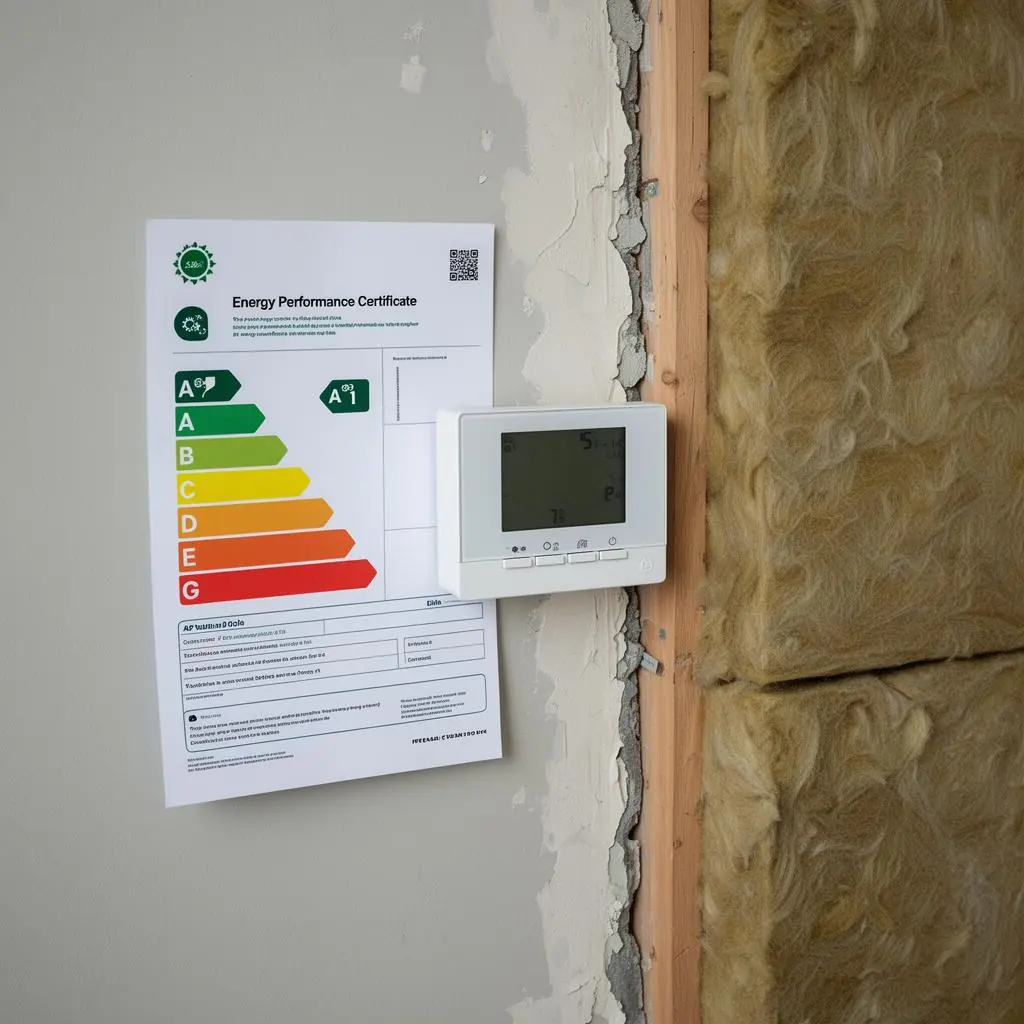
EPC and HMO compliance works
See the compliance works we deliver and the documentation you receive.
View the serviceWe deliver this work as epc and hmo compliance works and fixed-programme void refurbishment, across Edinburgh and the Lothians. If your property is in Marchmont, that page sets out the housing stock, consents and access issues we plan around there.
For Edinburgh landlords, letting agents, and asset managers, compliance is the line between a let property and a liability. Energy performance standards, HMO licensing, and safety certification all carry hard deadlines, and the cost of getting them wrong, fines, void periods, and rejected licences, keeps rising.
The landlords who stay profitable treat compliance as a planned workstream tied to their refurbishment cycle, not a last-minute scramble before a tenancy starts. This guide sets out the core obligations and, more importantly, how to sequence the works so a property is compliant, lettable, and provably so.
Understand the EPC trajectory
Every rented property in Scotland needs a valid Energy Performance Certificate, and minimum energy efficiency expectations continue to tighten over time. Rather than reacting to each change, forward-looking landlords improve the fabric of the building once, properly, during a planned refurbishment.
The practical levers are insulation, heating upgrades, and draught-proofing. Done well, these do more than lift an EPC band, they cut running costs, reduce condensation and damp complaints, and lower tenant churn because the flat is genuinely cheaper and more comfortable to live in. We scope EPC works alongside the wider renovation so the upgrade happens in one disruption-free pass instead of repeated returns.
HMO licensing is detailed and unforgiving
If a property is let to three or more unrelated tenants sharing facilities, it generally needs a House in Multiple Occupation (HMO) licence from the City of Edinburgh Council. HMO standards are specific: fire detection and separation, protected escape routes, fire doors, adequate amenities, and minimum room sizes all have to be met.
Getting any of these wrong delays the licence and holds the property out of the market, an expensive outcome when demand is high. Our refurbishment packages are built to the local authority HMO specification from the outset, so the licence application follows finished works rather than triggering costly rework.
The safety certificates you cannot skip
Alongside the EPC and any HMO licence, a compliant Scottish rental needs current safety certification: a Gas Safety Record for gas appliances, an Electrical Installation Condition Report (EICR) plus portable appliance testing, interlinked smoke and heat alarms, and a carbon monoxide detector where required.
These are not one-off tasks, they run on renewal cycles. Building the inspections and any remedial works into a single coordinated programme keeps every certificate current and avoids the gaps that surface, inconveniently, at the start of a new tenancy.
Documentation is the asset
Compliance is only as strong as your ability to prove it. Every certificate, sign-off, and record of works becomes part of the property's audit trail. When an agent, lender, insurer, or prospective buyer asks, the answer is already on file rather than something you have to reconstruct under pressure.
That documented hand-over is the difference between a property that merely looks finished and one that can demonstrate it meets every standard. For a portfolio, it is also what makes the assets cleanly transferable and easy to value.
Frequently asked questions
When does a property need an HMO licence in Edinburgh?+
Generally when it is let to three or more unrelated people who share a kitchen, bathroom, or other facilities. The property must meet fire safety, escape route, amenity, and room-size standards before the City of Edinburgh Council will grant the licence.
What is the minimum EPC rating for a rental property in Scotland?+
Scotland operates minimum energy efficiency expectations for the private rented sector that tighten over time. The reliable approach is to upgrade insulation, heating, and draught-proofing during refurbishment so the property stays ahead of the standard rather than scrambling to meet each deadline.
Which safety certificates does a Scottish landlord need?+
A valid EPC, a Gas Safety Record where there are gas appliances, an EICR for the electrical installation, interlinked smoke and heat alarms, and a carbon monoxide detector where required. HMO properties carry additional fire safety obligations.